⚠️ This forum has been restored as a read-only archive so the knowledge shared by the community over many years remains available. New registrations and posting are disabled.

All times are UTC + 8 hours


Post new topic Reply to topic  [ 26 posts ]  Go to page 1, 2  Next
Author Message
PostPosted: Jul 14th, '16, 18:43 
Newbie
Newbie

Joined: Jul 14th, '16, 12:22
Posts: 21
Gender: Male
Are you human?: Yes
Location: Australia, NSW, Newcastle
Hi all I'm completely new to the world of AP (3 weeks in) but I'm already hooked and having a lot of fun. I have the basic IBC F&D system as seen in the how to video on this site with clay ball media. So app 250ltrs of media and app 650ltrs of FT water when full. System is outside.
I have 11 RB trout fingerlings about 13-15cm long and quite a few seedlings which are growing pretty well considering its winter. It's been pretty cold over the period of cycling, air temps average low 10C average high 18C. The fish have been in 2 weeks tomorrow and I've been feeding them app 1/2 tbsp of feed per day and the seedlings were in right from the start.
I've been adding a capful per week also of a product called stress Zyme and also had a Dc 300 air pump running for the last 5 days which seems to have boosted plant growth.
First water levels on the 2/7 had ph-7.6, Ammonia 0.25, Nitrates/nitrites both 0. Levels 2 days later were the same but last night 13/7 ph-7.6, Ammonia 4.0, nitrite 0.25 and nitrate still 0.
I realise now I should have been measuring more through the week, I didn't feed the fish today and started running the pump full time this morning, my fish supplier suggested replacing 10% water every day for app 5 days until ammonia is back down but I wonder if this will be a setback for cycling bacteria up?
I tested ammonia again this eve after running pump and not feeding but still 4.0, there is a bit of what looks like un eaten feed on the bottom but not a lot of it, can't see any dead fish on top or bottom but will have a better look tomorrow.
Any advice would be greatly appreciated, maybe I'm just hitting the panic button?, should I start doing water changes?


Top
 Profile  
Reply with quote  
    Advertisement
 
PostPosted: Jul 15th, '16, 06:19 
Moderator
Moderator
User avatar

Joined: Aug 26th, '10, 07:17
Posts: 9104
Gender: Male
Are you human?: YES
Location: Oregon, USA
Welcome to the forum Buzz :wave: . No link showing for the video but it's better if you can show what your system looks like so post up some pics :thumbright: .


Top
 Profile  
Reply with quote  
PostPosted: Jul 15th, '16, 07:03 
Newbie
Newbie

Joined: Jul 14th, '16, 12:22
Posts: 21
Gender: Male
Are you human?: Yes
Location: Australia, NSW, Newcastle
Thanks, Sure I'll get some up shortly


Top
 Profile  
Reply with quote  
PostPosted: Jul 15th, '16, 08:41 
Newbie
Newbie

Joined: Jul 14th, '16, 12:22
Posts: 21
Gender: Male
Are you human?: Yes
Location: Australia, NSW, Newcastle
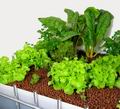
Photos from over the last 3 weeks


Attachments:
File comment: Small amount of debris on the bottom
image.jpeg
image.jpeg [ 63.8 KiB | Viewed 5255 times ]
image.jpeg
image.jpeg [ 93.61 KiB | Viewed 5255 times ]
image.jpeg
image.jpeg [ 106.54 KiB | Viewed 5255 times ]
image.jpeg
image.jpeg [ 133.66 KiB | Viewed 5255 times ]
image.jpeg
image.jpeg [ 103.1 KiB | Viewed 5255 times ]
File comment: System before clad with timber
image.jpeg
image.jpeg [ 127.97 KiB | Viewed 5255 times ]
Top
 Profile  
Reply with quote  
PostPosted: Jul 15th, '16, 11:07 
Bordering on Legend
Bordering on Legend
User avatar

Joined: Jun 16th, '14, 11:41
Posts: 430
Gender: Male
Are you human?: Yes
Location: Northern Rivers, NSW, Australia
I'm guessing that your water's cold enough that your fish are OK for now. You've stopped feeding which is good. Get out any solids from the tank if you can. You could also use a bit of hydrochloric acid added to your top up water when doing some water changes - lower pH means less of the total ammonia is in the toxic free form.

See the table at http://ibcofaquaponics.com/information/ ... nd-charts/

And search for posts about how to reduce pH with acid... there are heaps of them. Best to add acid to top up water and test it before adding... to avoid dramatic changes in your main system.

You might be able to get away with more than 10% water changes... perhaps 20% OK. this is particularly so if you can aerate your top up water overnight (I think its called off gassing... gets rid of the chlorine) assuming you don't have ammonium in your council water.

I'm not the full bottle on the science of cycling... but guessing that you haven't properly cycled because it's winter and we're in the middle of an extraordinary cold spell (though our international friends might laugh about my whinging).

Not sure about Stress Zyme???? The bacteria we want in our media seems to get there without any help... though some use water or media from an existing system.

Good luck.


Top
 Profile  
Reply with quote  
PostPosted: Jul 15th, '16, 11:27 
Newbie
Newbie

Joined: Jul 14th, '16, 12:22
Posts: 21
Gender: Male
Are you human?: Yes
Location: Australia, NSW, Newcastle
Thanks for the advice, I have an IBC full of rainwater off my carport roof so no issues with chlorine etc, I've done a 10% water top up this morning and siphon vacuumed any debris off the bottom. The stress zyme was recommended by the AP shop where I bought most of my start up gear as a safer alternative to seasol but I've added about 20mls of seasol in week 2 & 3 as my plants were looking sad without an ammonia source. I'll check out how to drop my ph I didn't know this would be adding to the problem.


Top
 Profile  
Reply with quote  
PostPosted: Jul 15th, '16, 11:30 
Newbie
Newbie

Joined: Jul 14th, '16, 12:22
Posts: 21
Gender: Male
Are you human?: Yes
Location: Australia, NSW, Newcastle
Would salting the water change the ph?


Top
 Profile  
Reply with quote  
PostPosted: Jul 15th, '16, 12:31 
Bordering on Legend
Bordering on Legend
User avatar

Joined: Jun 16th, '14, 11:41
Posts: 430
Gender: Male
Are you human?: Yes
Location: Northern Rivers, NSW, Australia
Don't think salt will do much for pH or ammonia... but it apparently protects the fish against high nitrites and generally good for fish health. I usually salt to about 1 or 2% but I think trout can go a bit higher than that - better check yourself though. Too much salt is bad for some plants - particularly strawberries. Make sure you use salt without any additives.


Top
 Profile  
Reply with quote  
PostPosted: Jul 15th, '16, 15:25 
A posting God
A posting God
User avatar

Joined: Sep 29th, '14, 13:15
Posts: 2146
Location: Australia
Gender: Male
Are you human?: mostly
Location: Perth, West Aust
Quote:
but I've added about 20mls of seasol in week 2 & 3 as my plants were looking sad without an ammonia source.

Seasol is not an ammonia source - the normal Seasol in white bottle has a little bit of nitrogen but is mainly trace elements and some Potassium - all of which would make your plants happy. If you wanted nitrogen (**which you definitely do not at the moment**) you would use Power feed which is Seasol with N & P.

So using Seasol is fine, and in fact is highly recommended.
Though hold off while you are going through your spike (water the plants directly in the grow bed if you need to)

It is your fish that are producing the ammonia..... read this http://www.backyardaquaponics.com/infor ... gen-cycle/

Quote:
Would salting the water change the ph?

no it is inert in that sense. As Dave notes it will help your fish get through as your system is obviously still only part way through cycling and a load of ammonia + nitrite is not ideal if you are a fish.

Rainwater will bring the pH down as it is usually 6.5-7 (you can test it and check).

** dont play with your pH - you have 7.6 which is fine **
Messing around with a system mucks things up - just use some rainwater and let things run their course.
But you will find that as nitrates buildup and ammonia drops you will see some drop in pH anyway.
Your current pH probably partly reflects a bit of the ammonia which is a base.

I think your AP person had a bit of a lend of you with the Stress Zyme (mainly because it is not cheap), but it is commonly used in aquariums and does actually have bacteria. It wont actually hurt the system, probably gave you a start here. Definitely not needed if you cycle properly and run a system properly.
** Very few aquarium products have a place in Aquaponics ** so be careful when getting advice from people that are selling aquarium products.

this scares me the most " safer alternative to seasol ".


Top
 Profile  
Reply with quote  
PostPosted: Jul 15th, '16, 15:50 
Bordering on Legend
Bordering on Legend
User avatar

Joined: Jun 16th, '14, 11:41
Posts: 430
Gender: Male
Are you human?: Yes
Location: Northern Rivers, NSW, Australia
Darren... the idea of reducing the pH was about getting the free ammonia down to safe levels. I hope I got that bit right... although water changes perhaps quicker and safer.

There's wisdom in your advice about not playing with pH too much... have been a culprit myself in the past. But I can't understand the difference between treating top up water so that its pH is 6.5 and adding rainwater at that pH (if you have the luxury of rainwater).


Top
 Profile  
Reply with quote  
PostPosted: Jul 15th, '16, 16:01 
A posting God
A posting God
User avatar

Joined: Sep 29th, '14, 13:15
Posts: 2146
Location: Australia
Gender: Male
Are you human?: mostly
Location: Perth, West Aust
Hi Dave, nothing intended re: your post, just 7.6 is a pretty good place to be in cycling and when people mention to new AP'ers about pH things tend to go a overboard in the mucking around stakes. In this case particularly it is better just to let things run the course - he may lose a fish but he probably wont (it will be because of cycling and nothing else).
As you noted the saving grace here is the cool temperatures. It should be OK.

a lot of AP advice should focus on new AP'ers just riding it out rather than playing with a system while it is trying to get in balance. Sometimes the good intentions of 'doing something' end up not so good in the end.
Things are stressful enough for the fish in a new system as it is and constant changes upset them.

The rainwater water changes are the safest option. Good chance things will drop as 7.6 is very neutral and nitrates tend to be worth a couple of notches on the pH scale. So going acidic at this point is not really a good idea as he will probably end up there anyway. Best not to play with the top up water (unless it is pH 8 etc)


[edit] Buzz I am assuming that you don't have any painted, galvanised or lead fixtures on your roof.
straight colour bond or cement/clay tiles should be OK.

zinc/copper/lead etc is not so good for fish.


Top
 Profile  
Reply with quote  
PostPosted: Jul 15th, '16, 16:28 
Bordering on Legend
Bordering on Legend
User avatar

Joined: Jun 16th, '14, 11:41
Posts: 430
Gender: Male
Are you human?: Yes
Location: Northern Rivers, NSW, Australia
Yes... I spent ages trying to get my pH down from the original 7.6 area... experienced members kept telling me not to worry because it would happen eventually with nitrification. But they were right... after a few months it started dropping by itself.

Apologies for diverting away from your ammonia issue Buzz!


Top
 Profile  
Reply with quote  
PostPosted: Jul 15th, '16, 17:15 
Newbie
Newbie

Joined: Jul 14th, '16, 12:22
Posts: 21
Gender: Male
Are you human?: Yes
Location: Australia, NSW, Newcastle
No problem Dave any input is appreciated.
I topped up with app 10% clean rainwater, I didn't dump much as it was already a bit low anyway. I've just tested ammonia again and it's still 4.0 but looks like edging downwards to 3.0. The ph of the storage rainwater tank is 6.
I do prefer the idea of letting nature take its course and meddling as little as possible. Is there a max percentage rule of thumb for water changes? I am guessing increments of 10-20% per day but do I just keep doing this till ammonia is down again or till I reach 50% of original volume?

Hmmm the roof material is zincalume steel, am I better off with tap water then? I have tiles on my house but it's not currently set up for collecting water.


Top
 Profile  
Reply with quote  
PostPosted: Jul 15th, '16, 17:41 
A posting God
A posting God
User avatar

Joined: Apr 4th, '11, 13:18
Posts: 2381
Gender: Male
Are you human?: Not before 8am
Location: Perth, Western Australia
Ammonia toxicity is determined by water temp and water pH... The colder the water and/or lower the pH, the less toxic Ammonia is, so the higher the level you can get away with.

However, even though your water may be cold at the moment, at a pH of 7.6 your Ammonia level of 4.0 is probably already having an adverse effect on the health of your fish... At that pH and Ammonia level your water temp would need to be under 4ºC for it to be safe... see the chart below.

Also of concern is the coming Nitrite spike. During cycling Nitrites can reach levels double that of the highest Amm level, ie; Your Amm level of 4.0ppm could result in a Nitrite level of 8.0ppm, resulting in very dead fish.

At a Nitrite level of 1.0ppm you should be salting the system at 1gm per litre with pool salt/sea salt. At a Nitrite level of 2.0ppm you should be doing daily 25-30% water changes using chlorine free water, such as tap water that has been well aerated for at least 24hrs and preferably also exposed to sunlight. Don't forget to add the corresponding amount of salt when doing these water changes. The salt helps reduce the harmful effects of the high Nitrite by limiting the amount of it the fish can absorb.

So I would recommend water changes for two reasons, firstly to get your Amm down to a safe level for your water temp & pH, and secondly to reduce the Amm as much as possible before the corresponding Nitrite spike, so it isn't as severe.

One saving grace in regards to the Nitrite spike could be the cold weather that is slowing down your cycling process, in spring/summer the Nitrite normally spikes very quickly.

Also be aware that with a 250mm gravel depth, so probs about 200mm of wet gravel (your bio-filtration), your system can safely support a maximum of 8x Trout to plate size, so with 11 you are probably going to have ongoing, ever increasing Amm levels.


Attachments:
Ammonia Toxicity Chart.jpg
Ammonia Toxicity Chart.jpg [ 43.1 KiB | Viewed 5209 times ]
Top
 Profile  
Reply with quote  
PostPosted: Jul 15th, '16, 18:41 
Newbie
Newbie

Joined: Jul 14th, '16, 12:22
Posts: 21
Gender: Male
Are you human?: Yes
Location: Australia, NSW, Newcastle
Thanks for the chart, my water temp is 11.5C so as you say I'm in the toxic zone, I'll keep the water changes going at 20-30% per day until amm is back at safe levels and keep my eye on nitrite. I plan to expand my growing area with a bathtub and also add in a sump barrel but that was only once I was through this learning curve. I used the stocking rule of thumb of 1 fish per 20-25ltrs of grow media but I must have missed the wet media part. Will stocking more plants help with the coming nitrite spike?


Top
 Profile  
Reply with quote  
Display posts from previous:  Sort by  
Post new topic Reply to topic  [ 26 posts ]  Go to page 1, 2  Next

All times are UTC + 8 hours


You cannot post new topics in this forum
You cannot reply to topics in this forum
You cannot edit your posts in this forum
You cannot delete your posts in this forum
You cannot post attachments in this forum

Search for:
Jump to:  

Powered by phpBB® Forum Software © phpBB Group
Portal by phpBB3 Portal © phpBB Türkiye
[ Time : 0.175s | 16 Queries | GZIP : Off ]